What Happens When Hobbies Become Your Health Hack?
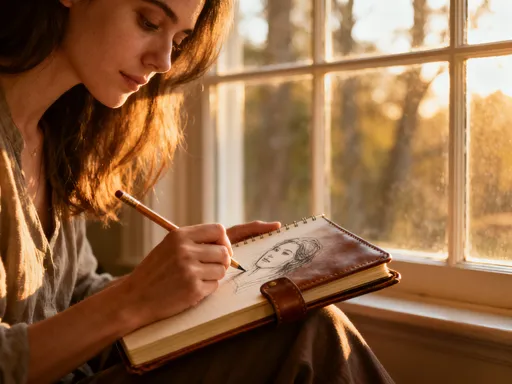
You know that buzz you get from painting, gardening, or strumming a guitar? Turns out, it’s not just fun—it’s fuel for your health. I started treating my weekend sketching habit as a wellness experiment, tracking how it affected my stress, sleep, and energy. What I discovered shocked me. Turns out, the fastest way to assess and boost your well-being might not be another fitness tracker—but something you already love doing. This quiet realization shifted how I view health, moving beyond numbers on a scale or steps counted each day. Instead, I began to see joy itself as a metric—a reliable, personal, and deeply human signal of how I’m truly doing.
The Hidden Power of Everyday Hobbies
Hobbies are often dismissed as mere pastimes—pleasant distractions from the serious business of life. But a growing body of research suggests they are far more than that. They are, in fact, powerful yet underappreciated tools for maintaining and improving health. A hobby, when chosen with intention, becomes a form of self-care that nurtures the mind, calms the nervous system, and restores emotional balance. What defines a health-supportive hobby isn’t complexity or skill level, but consistency, personal meaning, and the absence of pressure. It’s the activity you return to not for recognition, but for renewal.
Consider the woman who bakes sourdough bread every Sunday, finding rhythm in the kneading and comfort in the rising. Or the retiree who spends mornings photographing birds in the local park, his attention fully absorbed by the flash of a blue jay’s wing. These are not trivial pursuits. They are acts of presence, moments of focus that pull us out of rumination and into the now. Unlike structured exercise or prescribed diets, hobbies operate gently, meeting people where they are. They don’t demand perfection—only participation. And in that space of low-stakes engagement, something profound happens: the body relaxes, the mind unwinds, and emotional resilience grows.
Yet, many still equate wellness with physical metrics alone—weight loss, muscle gain, or endurance. This narrow view overlooks the vast terrain of mental and emotional health. A balanced life isn’t built solely on protein intake and step counts. It’s also shaped by moments of creativity, connection, and curiosity. When we reframe hobbies as essential rather than optional, we expand our definition of health to include joy, engagement, and psychological safety. This shift is not indulgent; it’s necessary. Because a life that feels good from the inside out is one that sustains.
Why Fast Health Assessment Matters
Traditional health assessments focus on measurable, physiological markers: blood pressure, cholesterol levels, body mass index. These are valuable, but they offer only a partial picture. They tell us little about how someone is sleeping, whether they feel overwhelmed, or if their mind feels sharp or foggy. Emotional fatigue, cognitive strain, and mental depletion don’t show up on a lab report—yet they are early signs of declining well-being. This is where the concept of a “lifestyle pulse check” becomes essential. Instead of waiting for symptoms to escalate, we can use daily habits as real-time indicators of our overall health.
Hobbies serve as particularly sensitive barometers. When you consistently engage in an activity you love, any change in your desire or ability to do it can signal internal shifts. For example, if knitting used to calm your mind but now feels tedious or overwhelming, that’s data. If journaling, once a source of clarity, has been abandoned for weeks, that’s not just laziness—it may be a sign of emotional overload or mental exhaustion. These subtle cues often appear long before clinical symptoms arise, giving you an opportunity to respond early.
Unlike annual checkups that provide snapshots in time, hobbies offer continuous feedback. They reflect your current state in a way that numbers alone cannot. A person may have “normal” lab results but still feel emotionally drained, mentally scattered, or disconnected from themselves. By paying attention to how you engage with your hobbies—your energy, focus, and emotional tone—you gain access to a richer, more holistic understanding of your health. This kind of self-awareness doesn’t require expensive tests or specialized equipment. It only requires presence and a willingness to listen.
How Hobbies Reflect Your Inner State
The mind and body are not separate systems—they are deeply interconnected. What affects one inevitably influences the other. This connection becomes especially clear when we observe how our hobbies respond to stress, fatigue, or emotional strain. When life becomes overwhelming, one of the first things to go is often leisure. The guitar gathers dust. The garden goes untended. The book club is skipped. These aren’t just scheduling conflicts; they are signals. A loss of interest in activities once enjoyed is a well-documented psychological marker of burnout, anxiety, or depression.
Imagine a woman who used to spend evenings writing poetry, finding solace in the rhythm of words. Lately, she finds herself scrolling through her phone instead, unable to focus or feel inspired. She tells herself she’s just tired. But the shift is more than fatigue—it’s a sign that her mental reserves are low. Creative engagement requires cognitive bandwidth and emotional safety. When those are compromised, the desire to create fades. Similarly, someone who used to love walking in nature may now find the idea exhausting, preferring to stay indoors. This isn’t laziness—it’s the body’s way of conserving energy in response to prolonged stress.
These changes are not failures. They are feedback. When we interpret them with compassion rather than judgment, we open the door to self-understanding. The key is to notice without reacting. Instead of criticizing yourself for “not trying hard enough,” you might ask: What is this telling me? Am I overextended? Am I carrying emotional weight I haven’t acknowledged? By treating your hobby habits as mirrors of your inner world, you develop a more responsive, attuned relationship with yourself—one that prioritizes care over criticism.
Choosing Hobbies That Work for Your Health
Not all hobbies are equally supportive of well-being. The most beneficial ones share certain qualities: they are accessible, low-pressure, and intrinsically rewarding. The goal isn’t to master a skill or produce something impressive, but to experience engagement and enjoyment. This means choosing activities that feel inviting, not intimidating. For some, that might mean picking up watercolors instead of oil painting. For others, it could mean switching from competitive sports to leisurely hiking or dance classes focused on fun rather than fitness.
Creative hobbies—such as drawing, writing, pottery, or playing music—offer a unique blend of focus and emotional expression. They engage the brain in a state of flow, where time seems to disappear and self-consciousness fades. Physical hobbies—like gardening, dancing, or swimming—combine movement with mindfulness, offering both bodily and mental benefits. Mindful hobbies—such as fishing, puzzle-solving, or birdwatching—encourage patience, attention, and presence. Each category supports well-being in different ways, but all share a common thread: they pull you into the present moment.
When selecting or refining a hobby, consider three factors: ease of access, emotional reward, and consistency. Can you do it regularly without excessive planning or expense? Does it leave you feeling refreshed rather than drained? Does it spark a sense of curiosity or satisfaction? A hobby that requires expensive equipment, rigid scheduling, or social performance may add stress rather than relieve it. The healthiest hobbies are those that feel like a return to yourself, not another item on a to-do list. They don’t demand perfection. They welcome you as you are.
Tracking Changes Without Obsessing
Using hobbies as health indicators doesn’t require formal measurement or constant monitoring. The goal is not to turn leisure into another performance metric, but to cultivate awareness. A simple way to begin is by checking in with yourself before and after engaging in your hobby. How do you feel emotionally? What’s your energy level? Is your mind clear or cluttered? You might rate these on a simple 1–5 scale or jot down a few words in a notebook. Over time, patterns will emerge.
For example, you might notice that after knitting for 20 minutes, your breathing slows and your shoulders relax. Or that writing in your journal helps untangle racing thoughts. These observations aren’t about tracking progress—they’re about building self-knowledge. The act of noticing itself is therapeutic. It shifts you from autopilot to presence, from reaction to reflection.
It’s important, however, to avoid turning this practice into another source of pressure. This is not about logging hours or achieving consistency at all costs. Some days, you may not feel like doing your hobby—and that’s okay. In fact, that’s useful information. The point is not to force engagement, but to notice what’s happening within you. If you’re resisting an activity you usually enjoy, explore why with kindness. Are you tired? Overwhelmed? Distracted? The answers will guide you toward better self-care, not guilt. Awareness without judgment is the foundation of lasting change.
Real Benefits Backed by Science
The idea that hobbies support health is not just anecdotal—it’s supported by science. Studies have consistently shown that engaging in leisure activities reduces levels of cortisol, the body’s primary stress hormone. Lower cortisol means reduced inflammation, better sleep, and improved immune function. Additionally, regular participation in enjoyable activities has been linked to enhanced cognitive function, including better memory, focus, and problem-solving skills. This is partly due to the concept of neuroplasticity—the brain’s ability to reorganize and form new connections throughout life. Hobbies that challenge the mind, such as learning an instrument or solving crosswords, help maintain and even improve this adaptability.
One study published in the journal Annals of Behavioral Medicine found that adults who engaged in regular leisure activities reported significantly lower levels of anxiety and depression. Another long-term study from Norway showed that people who participated in creative hobbies had better emotional regulation and higher life satisfaction over time. The state of “flow,” often experienced during immersive hobbies, has been shown to act as a mental reset, reducing rumination and increasing feelings of control and competence.
Creative expression, in particular, serves as a form of emotional release. When words are hard to find, painting, music, or crafting can provide an alternative outlet for processing feelings. This is why art therapy is used in clinical settings—to help people access and express emotions that might otherwise remain trapped. Even simple acts like coloring or arranging flowers can activate the parasympathetic nervous system, signaling the body to relax. These benefits are not reserved for artists or experts. They are available to anyone who engages in an activity with presence and openness.
Making It Stick: From Fun to Habit
Despite knowing the benefits, many people struggle to make time for hobbies. The most common barriers are lack of time, guilt, and the belief that leisure is unproductive. These feelings are especially strong among women, who often carry the mental load of household management and caregiving. Taking time for oneself can feel selfish or indulgent. But reframing hobbies as health practices—not luxuries—can help overcome this resistance. Just as we prioritize brushing our teeth or eating meals, we can learn to protect time for activities that nourish the mind.
Start small. Even 10 to 15 minutes a day can make a difference. Pair your hobby with an existing routine: sketch while waiting for coffee to brew, listen to a language lesson during your commute, or fold laundry while watching a favorite show. These micro-moments add up. You don’t need hours of uninterrupted time to benefit. Consistency matters more than duration. Over time, these small investments build resilience, improve mood, and enhance overall well-being.
Social connection can also support habit formation. Joining a book club, taking a pottery class, or walking with a friend turns a solitary activity into shared joy. This dual benefit—engagement plus connection—amplifies the positive effects. And when motivation wanes, the commitment to others can help you show up even when you don’t feel like it. The key is to remove friction. Keep supplies accessible, schedule time in advance, and let go of perfection. This isn’t about creating masterpieces. It’s about showing up for yourself, again and again.
Reframe hobbies not as distractions, but as vital signs of a thriving life. When we listen to what brings us joy, we gain deeper insight than any lab test can offer. Choosing to nurture a simple passion isn’t indulgence—it’s one of the smartest health moves you can make. In a world that glorifies busyness and productivity, making space for play is a radical act of self-respect. It says: I matter. My well-being matters. And the quiet moments I spend gardening, painting, or strumming a guitar are not wasted—they are essential. They are how I stay grounded, present, and whole. By honoring these small acts of care, we build a life that doesn’t just last longer, but feels richer, deeper, and more alive.