Salt Less, Live More: How I Fixed My Health Without Giving Up Flavor
Living with high blood pressure scared me—until I discovered the real power of cutting salt. It wasn’t about bland meals or strict rules. It was science-backed, simple changes that actually worked. I felt better within weeks: more energy, less bloating, clearer focus. This isn’t a quick fix—it’s a proven way to support your heart and overall health. Let me walk you through what really helped.
The Hidden Problem: Why Salt Overload Is Quietly Harming You
Most people don’t realize how much salt they consume every day. The average adult in the United States takes in over 3,400 milligrams of sodium daily—far above the 2,300 milligrams recommended by health authorities. For those with high blood pressure or other cardiovascular risks, the ideal limit is even lower, at 1,500 milligrams. The real danger lies not in occasional table salt use, but in the hidden sodium found in processed and packaged foods. Items like bread, canned soups, frozen dinners, snack chips, and deli meats are major contributors, often packing more salt than people expect. Because these foods are eaten so frequently, sodium intake can accumulate quickly, even for those who avoid adding salt at the table.
The biological impact of too much sodium is well understood. Sodium pulls water into the bloodstream, increasing blood volume. As a result, the heart must work harder to pump blood through the vessels, leading to elevated blood pressure. Over time, this added strain damages the arteries, increases the risk of heart disease, and may contribute to stroke and kidney dysfunction. According to the American Heart Association, high blood pressure affects nearly half of all adults in the U.S., and many are unaware they have it because symptoms often go unnoticed in the early stages. This silent progression is what makes sodium overload so dangerous—it can be harming your body for years without obvious warning signs.
Yet, subtle symptoms do exist, and many people dismiss them as normal parts of aging or busy lifestyles. Persistent fatigue, swelling in the hands, feet, or face, frequent headaches, and even restless sleep can be linked to excess sodium. Water retention caused by high salt intake often leads to bloating and a feeling of heaviness, particularly noticeable at the end of the day. Some women report increased discomfort during their menstrual cycles when consuming high-sodium diets. These signs may seem minor on their own, but together they can signal that the body is struggling to maintain balance. Recognizing these clues is the first step toward making changes that support long-term health.
What Science Really Says About Low-Sodium Living
Scientific research consistently supports reducing sodium intake to improve cardiovascular health. One of the most influential studies in this area is the DASH (Dietary Approaches to Stop Hypertension) trial, which demonstrated that a diet rich in fruits, vegetables, whole grains, and low-fat dairy—while low in saturated fat and sodium—can significantly lower blood pressure. Participants who followed the DASH diet and reduced their sodium intake saw reductions in systolic blood pressure by up to 11 mm Hg, especially those who already had high blood pressure. These results were comparable to the effects of some medications, but without side effects.
The World Health Organization also emphasizes the importance of sodium reduction, recommending a global strategy to cut population-wide salt intake by 30% by 2025. Countries that have implemented public health campaigns—such as the United Kingdom’s salt reduction initiative—have seen measurable declines in average blood pressure and cardiovascular events. These real-world outcomes reinforce what clinical studies have shown: lowering sodium intake is one of the most effective, evidence-based ways to protect heart health.
It’s important to clarify that sodium itself is not the enemy. The body needs sodium to regulate fluid balance, support nerve function, and enable muscle contractions. The problem arises from the imbalance between sodium and potassium, another essential mineral. Modern diets tend to be high in sodium and low in potassium, disrupting this balance and increasing cardiovascular risk. Natural foods like bananas, spinach, sweet potatoes, and beans are rich in potassium and help counteract the effects of sodium. Therefore, the goal is not to eliminate salt entirely, but to restore a healthier ratio by choosing whole, unprocessed foods and minimizing reliance on packaged and restaurant meals.
My Turning Point: When Health Warnings Hit Home
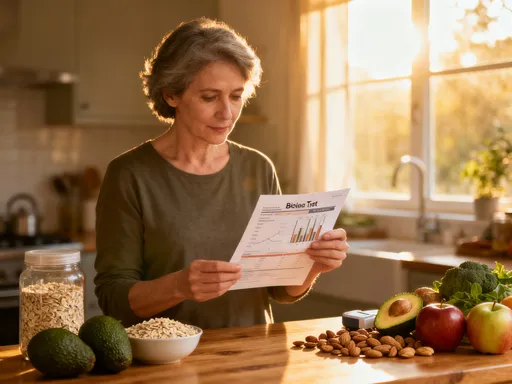
For years, I ignored the signs. I was tired most afternoons, my rings felt tight by evening, and my doctor mentioned my blood pressure was “creeping up.” I told myself it was stress, lack of sleep, or just getting older. But one routine checkup changed everything. My blood pressure reading was 150 over 95—solidly in the high range. The doctor didn’t panic, but her tone was serious. She explained that if left unchecked, this could lead to serious complications down the road. She didn’t prescribe medication right away. Instead, she suggested I try a three-month experiment: reduce my sodium intake and see how my body responded.
At first, the idea felt overwhelming. I loved my morning toast with butter and salt, canned soups on busy days, and the occasional frozen pizza. The thought of giving up flavor made me resistant. I worried about bland meals, social dinners, and the extra time cooking would take. But the more I learned, the more I realized this wasn’t about deprivation—it was about care. I began to see my food choices as a form of daily self-respect, a way to honor my body’s needs. That shift in mindset made all the difference. Instead of focusing on what I was losing, I started exploring what I could gain: energy, comfort, and peace of mind.
I also realized I wasn’t alone. Many women in my age group—juggling family, work, and personal well-being—were facing similar health concerns. We weren’t looking for extreme diets or complicated regimens. We wanted practical, sustainable ways to feel better. This realization gave me motivation. I wasn’t just doing this for myself; I was learning how to support my loved ones by modeling healthier habits. That sense of purpose helped me stay consistent, even when old cravings surfaced or dining out presented challenges.
Small Swaps, Big Results: Practical Changes That Actually Stick
Success didn’t come from a complete overhaul. It came from small, manageable changes that fit into my existing routine. The first step was learning how to read nutrition labels. I started checking the sodium content on everything from bread to salad dressings. I was shocked to find that a single slice of bread could contain 200 milligrams of sodium, and a small serving of canned soup could exceed 800. Armed with this knowledge, I began choosing lower-sodium versions or switching to fresh alternatives. I discovered that plain canned beans, rinsed under water, had far less sodium than their seasoned counterparts.
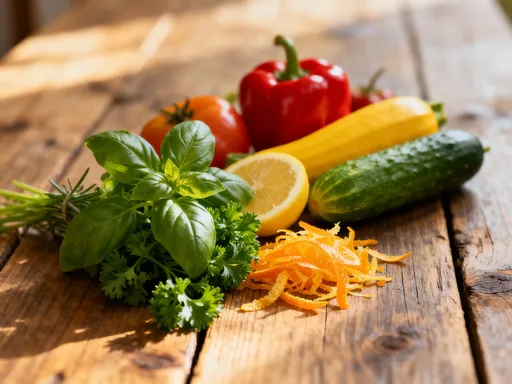
Cooking at home became my most powerful tool. By preparing meals from scratch, I had full control over ingredients. I invested in a few simple spices—garlic powder, onion powder, black pepper, paprika, and dried herbs like oregano and thyme. These added depth and warmth without any salt. I also embraced acid-based flavor boosters, such as lemon juice and apple cider vinegar, which brightened dishes naturally. Over time, I built a collection of go-to seasoning blends, like a homemade “no-salt” mix with garlic, onion, basil, and a pinch of celery seed. These became staples in my kitchen, making low-sodium cooking both easy and enjoyable.
Habit stacking played a key role in making these changes last. I linked new behaviors to existing ones: every time I turned on the stove, I reached for my spice jar before the salt. When I unpacked groceries, I made it a rule to check sodium levels before putting items in the pantry. On weekends, I prepped vegetables and grains in advance, so healthy meals felt effortless during busy weekdays. These small routines reduced decision fatigue and helped me stay on track without constant effort. The result? I wasn’t following a strict diet—I was living a different way, one that felt natural and sustainable.
Flavor Without the Salt: Rethinking How Food Should Taste
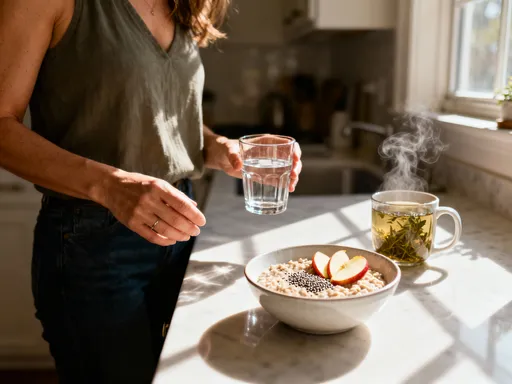
One of the most surprising discoveries was how quickly my taste buds adapted. Within two to three weeks of reducing salt, foods I once found flavorful began to taste overly salty. A restaurant meal or a bag of chips, which used to feel satisfying, now left me feeling thirsty and uncomfortable. This shift confirmed what researchers have long known: taste preferences are not fixed. They can—and do—change with consistent exposure to lower-sodium foods. The more I cooked with herbs, spices, and natural flavor enhancers, the more I appreciated the true taste of ingredients.
I began to explore the concept of umami, the so-called “fifth taste,” which adds richness and depth without salt. Ingredients like mushrooms, tomatoes, roasted garlic, and nutritional yeast provided a savory quality that made meals feel complete. A simple pasta dish with sautéed mushrooms, garlic, and a splash of balsamic vinegar became a favorite. Roasted vegetables seasoned with rosemary and olive oil tasted more vibrant than ever. Even breakfast improved—instead of salty bacon, I tried avocado toast with red pepper flakes and a squeeze of lime, which felt fresh and energizing.
I also learned to use texture and temperature to enhance satisfaction. Crunchy cucumbers, crisp apples, and creamy hummus added variety to meals, making them more enjoyable. Cold soups like gazpacho, made with fresh tomatoes, peppers, and a touch of vinegar, were refreshing in summer and full of flavor. By focusing on the full sensory experience—taste, smell, texture, and aroma—I realized that delicious food doesn’t depend on salt. It depends on intention, care, and creativity. This new approach didn’t feel like a limitation; it felt like an expansion of what eating well could be.
Beyond the Kitchen: Navigating Dining Out and Social Situations
One of the biggest concerns I had was how to maintain progress when eating outside the home. Social gatherings, family dinners, and restaurant meals are important parts of life, especially for women who often play a central role in hosting and connecting. I didn’t want to feel isolated or judged for making different choices. The key turned out to be preparation and communication. Before going out, I’d check menus online and identify lower-sodium options. I learned to ask for modifications—such as dressing on the side, no added salt, or steamed instead of fried—politely and without apology.
When attending events, I started bringing a dish to share. A colorful quinoa salad with roasted vegetables, lemon dressing, and fresh herbs was always a hit. It allowed me to contribute something healthy while ensuring there was at least one option I could enjoy freely. I also learned to eat a small, balanced snack before going to parties, so I wouldn’t arrive overly hungry and tempted by salty appetizers. These strategies reduced stress and helped me feel in control, even in unpredictable settings.
Over time, I noticed that my choices often inspired conversations. Other women would ask what I was doing, especially if they recognized similar symptoms—fatigue, bloating, or blood pressure concerns. Instead of feeling different, I began to feel part of a growing movement of people who prioritize wellness without extremism. I shared what worked for me, not as a rigid rule, but as a personal experience. This openness fostered connection rather than separation. I realized that taking care of my health didn’t mean stepping away from life—it meant showing up more fully, with greater energy and presence.
Long-Term Gains: What Happens When You Stay the Course
After six months of consistent effort, the changes in my body and mind were undeniable. My blood pressure dropped to a healthy range—120 over 80—without medication. My doctor was impressed and encouraged me to keep going. But the benefits went beyond the numbers. I had more steady energy throughout the day, no longer relying on afternoon coffee to push through fatigue. My sleep improved, and I woke up feeling refreshed instead of groggy. The constant bloating disappeared, and my clothes fit better. Even my skin looked clearer, likely due to reduced water retention and improved circulation.
Perhaps most importantly, I felt a sense of confidence and control. I wasn’t at the mercy of convenience foods or cravings. I had retrained my palate and built habits that supported my well-being. This lifestyle also had ripple effects on my family. My children began to enjoy roasted vegetables and fruit salads without prompting. My partner noticed he felt less sluggish after meals and started making similar choices. It wasn’t about enforcing rules—it was about leading by example and creating a home environment where healthy eating felt normal and natural.
Long-term, the benefits of sustained low-sodium eating extend far beyond blood pressure. Research shows it supports kidney function, reduces the risk of osteoporosis (since high sodium can increase calcium loss), and may lower the likelihood of stomach cancer. For women approaching menopause, maintaining healthy blood pressure becomes even more critical, as hormonal changes can affect cardiovascular health. By making these changes now, I’m investing in a future where I can stay active, independent, and vibrant. This isn’t a short-term fix—it’s a lifelong commitment to feeling my best.
A Simpler Way to Feel Stronger Every Day
Reducing salt wasn’t about sacrifice. It was about empowerment. It taught me that small, consistent choices can lead to profound changes. I didn’t need a miracle cure or a complicated plan—just awareness, intention, and a willingness to try. The journey wasn’t perfect. There were days I ate something salty, forgot to check a label, or felt frustrated. But progress, not perfection, was the goal. Each choice became an act of care, a quiet promise to myself that my health mattered.
This way of eating isn’t a diet. It’s a return to simplicity—cooking with real ingredients, savoring natural flavors, and listening to the body’s signals. It’s supported by decades of scientific research and accessible to anyone, regardless of budget or cooking skill. You don’t have to change everything at once. Start with one meal, one swap, one label read. Let your taste buds adjust. Notice how your body responds. Over time, the benefits accumulate, quietly and steadily, like drops filling a bucket.
For women who carry so much responsibility—caring for children, aging parents, careers, and homes—prioritizing health can feel like a luxury. But it’s a necessity. When you feel stronger, you can give more. When you have energy, you can do more. And when you take care of yourself, you model resilience and self-respect for those around you. Lowering salt intake is not just a medical recommendation. It’s a form of everyday courage, a choice to live with greater clarity, strength, and peace. And it’s a choice that’s within reach, one meal at a time.