Luxury Spending, Smarter Moves: How to Win the Upgrade Game
You know that feeling when you finally upgrade your lifestyle—better restaurants, premium travel, designer finds—but your wallet whispers, “Can we really afford this?” I’ve been there. The truth is, high-end consumption isn’t about reckless spending. It’s about making strategic choices that align with long-term value. In this piece, I’ll walk you through how to spot real trends, avoid costly traps, and turn luxury spending into a smart financial move—without the stress. This isn’t about chasing status or keeping up with appearances. It’s about understanding the quiet shift in how people define value, and using that knowledge to spend with confidence, clarity, and control. The goal isn’t excess—it’s elevation.
The Quiet Shift: What’s Really Driving Premium Spending Today
Luxury is no longer defined by logos or loud displays of wealth. Instead, a subtle but powerful transformation is reshaping how people approach high-end consumption. This shift, often referred to as consumption upgrade, reflects deeper changes in cultural values, economic realities, and generational mindsets. Today’s discerning buyers are less interested in overt branding and more focused on quality, craftsmanship, longevity, and personal meaning. They seek items and experiences that reflect authenticity, not just affluence. This evolution is not driven by impulse alone but by a growing awareness that how we spend shapes who we are and how we live.
One of the most visible signs of this shift is the rise of “quiet luxury”—a term used to describe understated, high-quality goods that speak through material and design rather than labels. Think of a perfectly tailored wool coat from a lesser-known atelier or a handcrafted leather bag with no visible branding. These items appeal to those who value discretion and durability over flashiness. The appeal lies not in what others see, but in what the owner knows: that they possess something exceptional, made to last. This mindset prioritizes long-term satisfaction over short-term validation, which aligns closely with sustainable financial habits.
Another key driver is the growing emphasis on experiences over possessions. Many consumers now allocate more of their discretionary income to travel, fine dining, wellness retreats, or cultural events. A weekend at a remote mountain lodge or a private cooking class with a renowned chef may cost as much as a designer handbag, but the memory and emotional impact often feel more lasting. This experiential trend reflects a broader redefinition of status—one that values enrichment, connection, and personal growth as much as material wealth. For financially conscious individuals, this shift offers an opportunity to redirect spending toward what truly enhances well-being.
Digital influence also plays a critical role. Social media has democratized access to luxury, exposing more people to high-end lifestyles. However, it has also created pressure to project success, sometimes leading to overspending. Yet, the most informed consumers use these platforms not to imitate, but to research. They follow experts, read reviews, compare prices, and study craftsmanship details before making decisions. This informed approach transforms digital exposure from a temptation into a tool for smarter spending. The modern luxury consumer is not passive; they are curious, critical, and intentional.
Trend or Trap? How to Tell the Difference Before You Spend
Not every upgrade is a wise investment. In fact, many high-end purchases—while emotionally satisfying—offer little long-term value. The challenge lies in distinguishing between a meaningful enhancement and a fleeting indulgence. A practical framework can help. Start by asking three key questions: Will I use this frequently? Does it offer lasting quality? And will its value diminish rapidly? These criteria form the foundation of a disciplined approach to luxury spending, one that separates trend from trap.
Take, for example, the case of limited-edition sneakers. Hyped by brands and influencers, these shoes often sell out within minutes and command high resale prices. On the surface, they appear to be a smart purchase—rare, desirable, and potentially profitable. But for most people, they are worn infrequently, stored carefully, and treated more like collectibles than footwear. The emotional reward is real, but the practical utility is low. For someone not deeply embedded in sneaker culture, the purchase may be more about social signaling than personal enjoyment. The risk? Chasing scarcity without genuine attachment, leading to buyer’s remorse or financial strain.
Contrast this with a well-made timepiece from a respected brand. While the upfront cost may be significant, a quality watch can last decades with proper care. It requires no maintenance beyond routine servicing, and many models retain or even appreciate in value over time. More importantly, it serves a daily function, blending utility with elegance. The owner wears it often, derives consistent satisfaction from it, and may pass it down as a family heirloom. This kind of purchase meets the test of frequency, durability, and emotional resonance. It’s not just a product—it’s a companion through life’s milestones.
Another useful evaluation tool is the concept of cost per use. Divide the price of an item by the number of times you expect to use it. A $1,200 coat worn 200 times over ten years costs just $6 per wear—less than many fast-fashion alternatives worn a handful of times before falling apart. Conversely, a $500 dress worn once for a special event carries a cost per use of $500. That doesn’t mean it’s a bad purchase, but it does highlight the importance of intentionality. Understanding this metric encourages buyers to think critically about how they will actually use an item, not just how it makes them feel in the moment.
The danger of impulse is amplified when purchases are driven by social comparison or fear of missing out. A dinner at an exclusive restaurant because a friend posted about it, a vacation booked to match a colleague’s social media highlight—these decisions often lack personal alignment. They stem from external pressure, not internal desire. To avoid such traps, adopt a cooling-off period for any high-end purchase. Wait 48 hours, sleep on it, and revisit the decision with fresh eyes. Ask: Does this align with my values? Will it enhance my daily life? If the answer is unclear, it’s likely not worth the cost.
The Hidden ROI of High-End Consumption
When most people think of return on investment, they imagine stocks, real estate, or retirement accounts. But certain luxury purchases can also generate meaningful returns—though not always in the form of cash. The true value of high-end consumption often lies in non-financial benefits: access, credibility, confidence, and connection. These intangible returns can have real-world impacts on career opportunities, social networks, and personal fulfillment.
Consider the purchase of a fine watch or a tailored suit. Beyond their aesthetic appeal, these items signal attention to detail, professionalism, and self-respect. In business settings, such signals can influence how others perceive competence and reliability. A well-dressed professional entering a meeting may be subconsciously viewed as more prepared and trustworthy. This isn’t about superficiality—it’s about the psychology of first impressions. Over time, these small advantages can compound into larger opportunities: stronger client relationships, promotions, or invitations to exclusive events.
Exclusive memberships offer another form of hidden ROI. Whether it’s a private club, a premium travel program, or a curated cultural society, these affiliations provide more than convenience—they open doors. Members gain access to networks of like-minded individuals, early invitations to events, and insider knowledge. These connections can lead to collaborations, mentorship, or new ventures. While the annual fee may seem steep, the long-term value of being part of a trusted community can far outweigh the cost. The key is selecting memberships that align with genuine interests and goals, not just prestige.
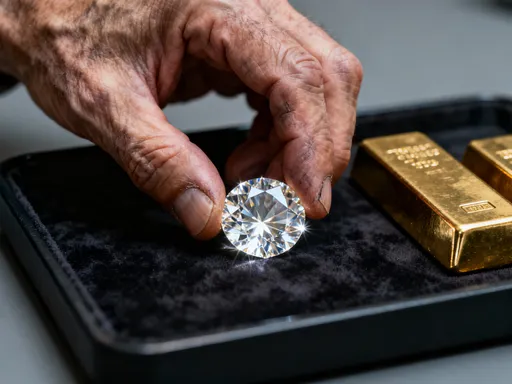
Some luxury assets also deliver tangible financial returns. Fine art, rare wines, classic cars, and select timepieces have historically appreciated in value when sourced wisely. Unlike mass-produced goods that depreciate immediately, these items are scarce, sought after, and often tied to cultural or historical significance. A Patek Philippe watch or a vintage Hermès bag may increase in value over decades, especially if well-maintained and accompanied by original documentation. For those with knowledge and patience, collecting such items can become a legitimate component of a diversified portfolio.
Yet, it’s crucial to approach these categories with caution. Appreciation is never guaranteed, and the market can be volatile. Success depends on expertise, timing, and authenticity. Buying art solely for investment without genuine appreciation can lead to poor choices and emotional detachment. The best approach is to acquire pieces that resonate personally while also meeting objective criteria for quality and rarity. That way, even if the market fluctuates, the owner still enjoys the intrinsic value of the item.
Strategic Splurging: Building a Personal Framework for Smart Upgrades
Smart luxury spending isn’t about deprivation—it’s about direction. Instead of treating upgrades as random treats, they should be part of a thoughtful, values-driven strategy. This begins with self-awareness: What truly matters to you? Is it comfort, beauty, performance, legacy, or experience? Once you identify your core priorities, you can allocate your budget accordingly, ensuring that every splurge serves a purpose.
Start by defining your spending thresholds. Set clear limits for different categories—apparel, travel, dining, home—based on your income and financial goals. For example, you might decide that no single clothing purchase will exceed 5% of your monthly discretionary budget. This prevents emotional overspending while still allowing room for quality. These thresholds aren’t rigid rules but guardrails that keep you aligned with your overall financial health.
Next, create a “spend-consciously” checklist. Before any high-end purchase, review the following: Does this align with my values? Will I use it regularly? Is it built to last? Can I afford it without compromising savings or debt goals? Has it passed the 48-hour rule? This simple process introduces discipline without eliminating joy. It transforms spending from reactive to reflective, ensuring that each upgrade contributes to a life of intention rather than accumulation.
Case studies show how small, consistent upgrades yield significant lifestyle improvements. A woman who replaces her worn-out kitchen tools with professional-grade cookware finds cooking more enjoyable, leading to healthier meals and more family dinners. A man who invests in an ergonomic office chair and a high-quality desk lamp experiences less fatigue and greater focus during remote work. These changes may seem minor, but their cumulative effect enhances daily well-being and productivity. Over time, they compound into a higher quality of life—one built not on extravagance, but on thoughtful choices.
Risk Control in the Age of Image-Driven Spending
Social media has made luxury more visible than ever, but visibility comes with risks. The constant stream of curated lifestyles can distort perception, making ordinary expenses feel inadequate. Behavioral finance calls this phenomenon lifestyle inflation—the tendency to increase spending as income rises, often to match perceived social standards. Left unchecked, it erodes savings, delays financial independence, and creates a cycle of wanting more without feeling fulfilled.
Fear of missing out, or FOMO, further amplifies this risk. Seeing friends at luxury resorts or influencers showcasing new purchases can trigger impulsive decisions. The brain responds to social cues as if they were survival signals, pushing us toward immediate gratification. But hedonic adaptation—the tendency to quickly return to a baseline level of happiness after a positive change—means the thrill of a new purchase fades fast. A designer bag brings joy for weeks, then becomes part of the background. The emotional payoff diminishes, but the financial cost remains.
To protect against these psychological pitfalls, implement structural safeguards. Conduct quarterly spending audits to review discretionary expenses. Categorize each luxury purchase: Was it used frequently? Did it meet expectations? Would I buy it again? This retrospective analysis builds self-awareness and improves future decisions. Additionally, establish accountability—share your financial goals with a trusted partner or advisor who can offer objective feedback before major purchases.
Another effective tool is the “one-in, one-out” rule for physical goods. Before buying a new high-end item, commit to selling or donating an older one. This practice prevents clutter, reinforces mindful consumption, and can even generate funds for the new purchase. It also encourages deeper consideration: Is this new item truly better, or just different? By introducing friction into the buying process, you reduce the likelihood of regrettable spending.
Beyond the Brand: Where Real Value Hides in Premium Markets
The most valuable luxury finds are often found outside mainstream labels. While designer names carry prestige, they also carry premium markups for branding and marketing. True value frequently lies in heritage craftsmanship, private-label offerings, or secondhand markets where quality meets affordability. Savvy consumers know that exclusivity doesn’t require a famous logo—it requires discernment.
Heritage brands, especially those from Europe and Japan, often produce goods with superior materials and meticulous attention to detail. These companies prioritize tradition over trends, resulting in products that age gracefully. A family-owned Italian shoemaker, for instance, may use techniques passed down for generations, creating footwear that molds to the wearer’s foot over time. Similarly, Japanese artisans in fields like ceramics, textiles, and cutlery emphasize precision and longevity, offering quiet excellence without fanfare.
Private-label luxury is another underutilized resource. High-end retailers often offer their own versions of classic items—cashmere sweaters, leather goods, bedding—at lower prices than designer equivalents. Because they cut out the branding premium, these products deliver comparable quality at better value. The key is knowing where to look and being willing to research. Read customer reviews, compare fabric compositions, and examine stitching details to ensure authenticity and performance.
Secondhand and pre-owned markets have also matured significantly. Platforms specializing in authenticated luxury goods allow buyers to acquire high-quality items at 30–60% off retail. A gently used designer handbag, a vintage watch, or a classic coat can be nearly indistinguishable from new but come with a fraction of the cost and environmental impact. For financially aware consumers, this represents a smart way to enjoy luxury while practicing sustainability and fiscal responsibility.
Future-Proofing Your Taste: Anticipating the Next Wave of Consumption
To stay ahead in luxury spending, you must think like a trendspotter. Trends evolve faster than ever, influenced by technology, sustainability concerns, and shifting cultural values. What feels cutting-edge today may seem outdated in five years. Future-proofing your taste means balancing current enjoyment with long-term relevance, ensuring that your upgrades remain meaningful over time.
Watch for early signals: Are designers favoring timeless silhouettes over seasonal fads? Is there growing interest in repairable, modular products? Are consumers prioritizing transparency in sourcing and production? These indicators point to a broader movement toward conscious consumption—one that values durability, ethics, and adaptability. Investing in pieces that align with these principles increases the likelihood they will remain desirable and functional for years to come.
Technology integration is another frontier. Smart fabrics, sustainable materials, and digital authentication are becoming standard in premium markets. A jacket with temperature-regulating lining or a bag with built-in RFID protection may offer both luxury and utility. Staying informed about these innovations allows you to make purchases that are not only beautiful but also forward-thinking.
Ultimately, the goal is to cultivate a mindset of discernment and patience. Let go of the need to have everything now. Instead, build a wardrobe, a home, and a lifestyle piece by piece, choosing items that resonate deeply and stand the test of time. This approach transforms luxury from a series of transactions into a lifelong journey of refinement. When done wisely, high-end spending isn’t a burden on your finances—it becomes one of your most rewarding investments.