How I Turned Shiny Stones into Smart Investments — Without Getting Burned
You’ve probably never thought of jewelry as more than a gift or heirloom. But what if those sparkling pieces could also be quiet wealth-builders? I once treated gems like mere accessories—until I learned how the right stones can hold value, hedge against inflation, and even outperform stocks over time. This isn’t about flashy luxury; it’s about strategy. Let me walk you through how jewelry, when chosen wisely, can become a powerful part of your investment portfolio. It’s not about chasing trends or wearing the biggest ring at the party. It’s about making deliberate, informed choices that transform sentiment into substance and beauty into lasting financial strength. The journey begins not at a boutique, but in understanding what truly gives a piece its worth.
The Hidden Value in What You Wear
Jewelry has long been associated with love, celebration, and legacy. Yet beneath the emotional resonance lies a quiet financial truth: certain pieces are not just ornaments, but assets. While most people see a diamond necklace as a symbol of elegance, savvy investors see it as a store of value—something tangible, durable, and globally recognized. Unlike paper currency or digital portfolios, jewelry cannot be erased by a market crash or a system failure. It is physical, portable, and, when properly selected, capable of appreciating over decades. The key is knowing which pieces qualify as true investments and which are better suited for sentimental enjoyment.
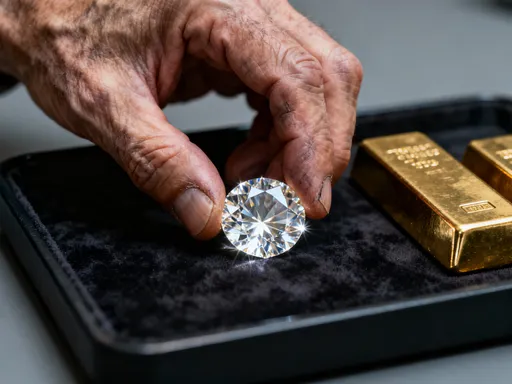
Not all jewelry holds investment potential. A mass-produced gold chain from a mall retailer may have metal content, but it lacks the rarity, craftsmanship, and certification that drive long-term value. True investment-grade jewelry centers on three pillars: material quality, provenance, and market demand. High-purity gold, platinum, or silver forms the foundation. On top of that, gemstones must meet strict standards of authenticity and grading. For example, a natural 2-carat sapphire with no heat treatment and a documented origin from Kashmir or Burma carries far more long-term value than a larger, lab-treated stone from an unknown source. These distinctions matter because they determine scarcity, and scarcity drives price.
Historically, fine jewelry has demonstrated resilience during economic turbulence. During periods of high inflation, such as the 1970s or more recently in the early 2020s, the price of gold and rare gemstones rose significantly. While stock markets fluctuated, physical assets provided a buffer. A 1980 Cartier ruby ring auctioned in 2022 sold for over three times its original purchase value, not because it was fashionable, but because it combined exceptional craftsmanship, a documented provenance, and rare Burmese rubies. This kind of appreciation is not accidental—it follows predictable patterns rooted in supply constraints and enduring demand from collectors and institutions.
The takeaway is simple: jewelry can be an asset, but only if you treat it like one. Emotional attachment or aesthetic appeal should not be the primary drivers of purchase. Instead, focus on objective criteria—what experts value, what the market rewards, and what has a track record of holding or increasing in worth. This shift in mindset—from consumer to investor—is the first step toward building wealth through jewelry.
Why Jewelry? The Case for Tangible Assets
In today’s financial world, much of our wealth exists in digital form—bank balances, stock portfolios, cryptocurrency holdings. While convenient, these assets are vulnerable to systemic risks: market crashes, currency devaluation, cyber threats, and policy changes. Tangible assets like real estate, art, and fine jewelry offer a counterbalance. They exist outside the banking system, are not subject to algorithmic trading, and cannot be erased by a server failure. Jewelry, in particular, stands out for its portability, privacy, and universal recognition. A small velvet box can contain decades of accumulated value, easily transported across borders or passed down through generations.
Compared to stocks, jewelry does not generate dividends or compound daily. However, it offers stability during volatile periods. When stock markets plunged in 2008, gold prices rose steadily, reaching record highs in the following years. Similarly, rare colored gemstones like Paraiba tourmalines and pigeon’s blood rubies have shown consistent long-term appreciation, unaffected by quarterly earnings reports or geopolitical tensions. Real estate, while also tangible, requires maintenance, taxes, and management. Jewelry, on the other hand, incurs minimal ongoing costs when stored properly. It does not depreciate with use in the same way a car or appliance does—well-maintained pieces can last centuries.
Another advantage is privacy. Unlike brokerage accounts or property deeds, jewelry ownership is not publicly recorded. This discretion appeals to many investors, especially those concerned about wealth visibility or estate planning. In countries with unstable currencies, families often convert savings into gold or diamonds as a way to preserve purchasing power. This practice is not new—it has been used for generations in regions from India to the Middle East, where gold jewelry is both a cultural tradition and a financial safeguard.
That said, jewelry is not without drawbacks. It is less liquid than stocks, meaning it cannot be sold instantly at market price. Authentication is essential, and without proper documentation, even a valuable piece may be difficult to sell. Storage and insurance are necessary costs. There is also the risk of theft, though this can be mitigated with secure vaults or safe deposit boxes. The goal is not to replace traditional investments, but to complement them. A well-structured portfolio includes a mix of growth assets, income generators, and stable stores of value. Jewelry, when selected with care, fills the latter role with quiet efficiency.
Choosing the Right Pieces: Quality Over Bling
Most jewelry purchases are driven by emotion or aesthetics. A woman might buy a ring because it sparkles under the store lights, or a couple might choose an engagement stone based on size rather than quality. These decisions, while understandable, rarely align with investment goals. The difference between a decorative piece and an investment-grade one lies in objective standards—measurable, verifiable traits that determine long-term value. For diamonds, the four Cs—carat, cut, color, and clarity—are the foundation. For colored gemstones, similar principles apply, though the grading systems vary by type.
Carat weight often captures attention, but it is not the most important factor. A large diamond with poor clarity or a yellow tint will not appreciate like a smaller, colorless, internally flawless stone. Cut is arguably the most critical element—it affects brilliance, fire, and overall beauty. A well-cut diamond, even if smaller, will command a higher price per carat than a poorly cut one of the same weight. Color matters immensely; the most valuable diamonds are colorless (graded D-F on the GIA scale), while even slight yellow or brown tints reduce value. Clarity refers to internal flaws or inclusions; the fewer the imperfections, the higher the grade and the greater the potential for appreciation.
Equally important is certification. A stone without a report from a reputable lab such as the Gemological Institute of America (GIA), American Gem Society (AGS), or SSEF (Swiss Gemmological Institute) is a risk. These labs provide unbiased assessments of a gem’s characteristics, ensuring it is natural and not treated or enhanced in ways that diminish long-term value. A certified diamond with a GIA report is far easier to sell and often fetches a premium. The same applies to colored gemstones—buyers look for proof of origin, treatment disclosure, and authenticity.
Metal purity is another key consideration. For gold, 24-karat is pure, but softer and more prone to wear. 18-karat (75% gold) is often preferred for fine jewelry, balancing durability and value. Platinum, at 90–95% purity, is denser and more durable than gold, making it a strong choice for investment pieces. The design should be timeless—ornate, trendy settings may go out of fashion, reducing appeal to future buyers. Simplicity, craftsmanship, and brand reputation (such as Cartier, Van Cleef & Arpels, or Tiffany & Co.) can enhance value, especially for vintage or estate pieces.
Timing the Market: When to Buy and When to Hold
Jewelry does not trade on a daily exchange like stocks, but market conditions still influence pricing. Unlike equities, gemstone and precious metal values are shaped by long-term supply trends, mining output, global demand, and macroeconomic factors. Understanding these cycles can help investors identify optimal buying opportunities. For example, during economic downturns, retail jewelry prices may soften as demand declines, while auction houses see increased supply from sellers liquidating assets. These moments can present value for disciplined buyers.
Gold prices, for instance, tend to rise during periods of inflation or currency instability. Investors who purchased gold jewelry in 2000, when prices averaged around $270 per ounce, would have seen their holdings more than quadruple by 2020. Similarly, rare gemstones like alexandrite or red beryl have limited sources and cannot be mass-produced, leading to gradual price increases over time. The key is patience—jewelry is not a short-term trade. It is a long-game asset that rewards those who hold through market fluctuations.
One effective strategy is dollar-cost averaging—buying small, high-quality pieces over time rather than making a single large purchase. This reduces the risk of buying at a market peak and allows investors to accumulate a diverse collection gradually. For example, purchasing a certified 1-carat diamond every two years ensures exposure to different market conditions and avoids overcommitting capital at any one time. This approach also makes jewelry investing accessible to those who cannot afford a $50,000 ring upfront.
Equally important is knowing when not to sell. Emotional reactions to market swings can lead to poor decisions. Selling a valuable piece during a downturn, simply because prices seem low, locks in a loss. History shows that fine jewelry tends to recover and often surpass previous highs. The best strategy is to hold with purpose—buying only what you can afford to keep for ten, twenty, or even fifty years. This long-term mindset separates investors from casual buyers.
Avoiding the Traps: Scams, Fakes, and Emotional Traps
The jewelry market is filled with pitfalls, especially for newcomers. Synthetic stones, treated gems, and counterfeit brands are common. A lab-grown diamond may look identical to a natural one but carries a fraction of the resale value. Similarly, a ruby that has been glass-filled to enhance clarity may appear stunning in the store but lose significant value once disclosed. Unscrupulous sellers may omit these details, relying on the buyer’s lack of expertise. The most effective defense is education and verification.
Red flags include prices that seem too good to be true, pressure to buy immediately, or a lack of certification. Reputable dealers provide full disclosure and allow time for independent appraisal. Auction houses like Sotheby’s or Christie’s offer transparency, with pre-sale reports and expert authentication. Estate sales and trusted secondhand dealers can also be excellent sources, especially for vintage pieces with documented histories. The goal is to buy from sources with accountability, not from pop-up vendors or online marketplaces with no track record.
Equally dangerous are emotional traps. Many people invest in jewelry because it reminds them of a loved one, a special occasion, or a place they’ve visited. While meaningful, these pieces rarely offer strong financial returns. A heart-shaped pendant may be cherished, but it is not scarce or in demand among collectors. Investment decisions should be based on objective criteria, not sentiment. If a piece tugs at your heartstrings, buy it—but do so from your discretionary budget, not your investment fund.
Another common mistake is overestimating retail value. A $20,000 ring from a luxury boutique may only be worth $8,000 on the resale market. Retail markups in fine jewelry can exceed 100%, meaning the buyer pays for brand, packaging, and overhead—not just the materials. Smart investors focus on intrinsic value, not brand prestige. A certified stone from a lesser-known but reputable jeweler can offer better value and stronger appreciation potential.
Liquidity and Exit Strategies: Turning Stones into Cash
Eventually, every investor will need to convert jewelry into cash. But unlike selling stocks, which can be done in minutes, selling jewelry requires planning, patience, and the right channels. The resale market is fragmented, with varying fees, timelines, and outcomes. Understanding the options helps avoid rushed decisions and financial loss. The most reliable avenues include auction houses, certified dealers, private buyers, and specialized online platforms.
Auction houses like Sotheby’s or Bonhams offer the highest potential returns for rare or high-value pieces, especially those with provenance or designer branding. However, they charge seller’s commissions (typically 10–20%) and require consignment periods that can last months. Success depends on marketing, timing, and buyer interest. Certified dealers provide faster liquidity, often offering same-day payment, but may pay below market value to account for resale risk. Private buyers, including collectors or jewelers, can offer competitive prices, especially for specific types of stones, but require vetting to avoid scams.
Online platforms such as Worthy or Diamond Estate Jewelry have streamlined the process, offering appraisal, photography, and auction-style bidding. These services reduce the barrier to entry but still involve fees and variable outcomes. Regardless of the method, preparation is key. Investors should maintain original receipts, grading reports, appraisals, and photographs. These documents establish authenticity and value, increasing buyer confidence and sale price.
Tax implications also matter. In many countries, profits from jewelry sales are subject to capital gains tax, especially if held for less than a year. Keeping accurate records of purchase price and improvements ensures proper tax reporting. The best approach is to plan the exit long before it’s needed—treating liquidity as part of the investment strategy, not an afterthought.
Building a Jewelry Portfolio: A Balanced Approach
Jewelry should not dominate a financial portfolio, but it can play a meaningful role when integrated thoughtfully. Financial advisors often recommend allocating 5–10% of investable assets to alternative investments, including precious metals, art, and fine jewelry. This allocation provides diversification, reducing overall portfolio risk. Within that slice, investors can further diversify by gem type, metal, origin, and era. For example, a balanced jewelry portfolio might include a high-clarity diamond, a Burmese ruby, a Kashmir sapphire, a vintage platinum brooch, and a piece of antique gold jewelry from the 1920s.
Diversification mitigates risk. If one segment of the market slows—say, demand for emeralds declines—other categories may remain strong. Geographic origin also matters; stones from historically respected sources (such as Colombian emeralds or Argyle pink diamonds) often hold value better than those from less renowned regions. Vintage and estate pieces add another layer, combining craftsmanship, rarity, and historical appeal.
Storage and insurance are essential. Jewelry should be kept in a secure environment—either a bank vault or a high-quality home safe with fire and flood protection. Insurance policies should cover full replacement value, with periodic updates to reflect market changes. Appraisals should be renewed every three to five years to ensure adequate coverage.
In the end, jewelry investing is not about glamour or status. It is about discipline, knowledge, and foresight. When approached with the same rigor as any other financial decision, a carefully curated collection can become a resilient, enduring part of a family’s wealth. It is a quiet vault—one that sparkles not just with light, but with long-term security.